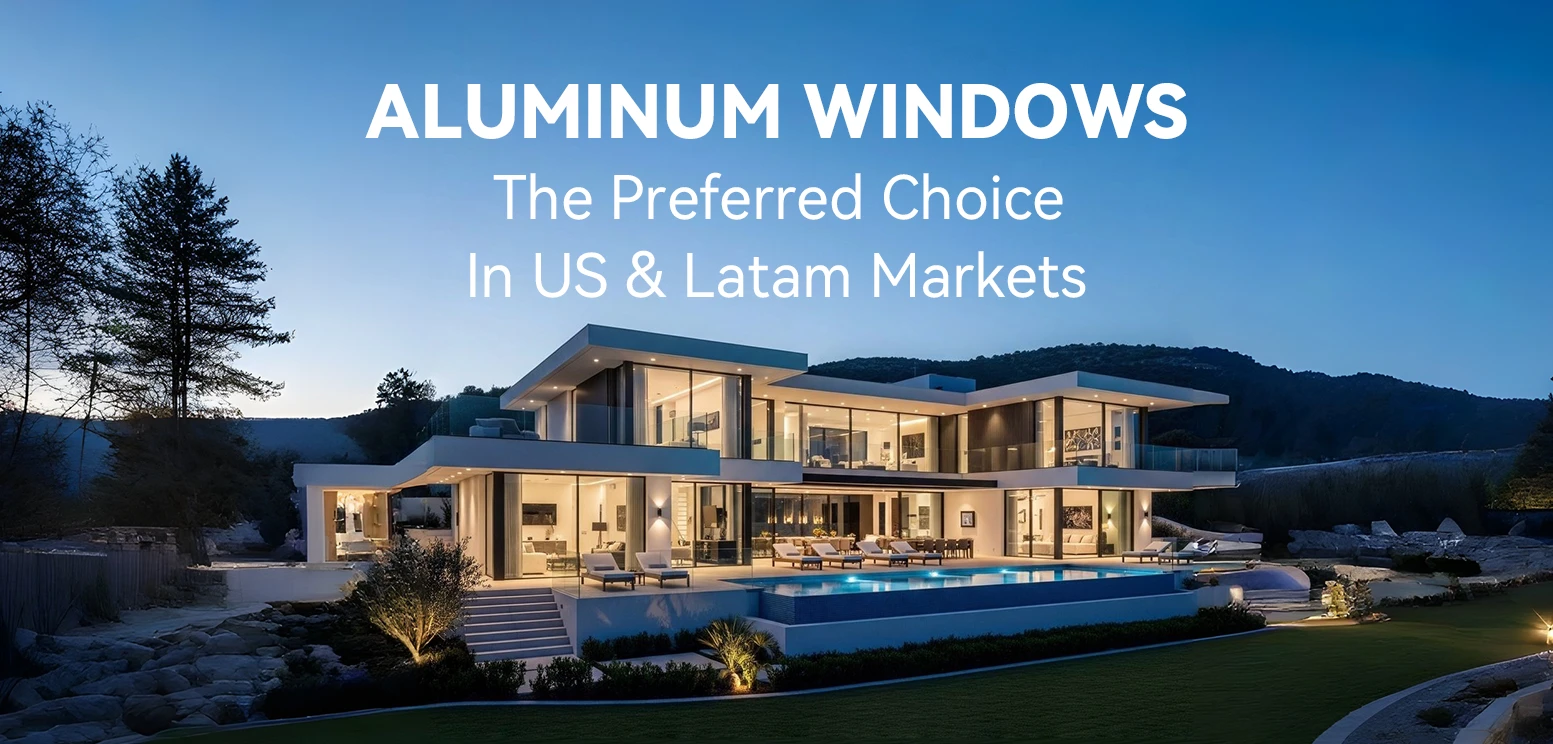
Why Aluminium Windows Are the Preferred Choice for Modern Construction in the US and Latin America

Aluminium windows have become one of the most widely adopted solutions in modern construction across the United States and Latin America. From residential developments in Florida and Texas to commercial projects in the Dominican Republic, Colombia, and Brazil, aluminium window systems are increasingly preferred for their durability, design flexibility, and long-term performance.

In modern architecture, aluminium is commonly used in large-scale glass façade systems and residential applications, including villas and contemporary homes. This is particularly evident in urban developments and coastal regions, where structural strength, corrosion resistance, and energy efficiency are critical performance requirements.

1. Long Service Life with Stable Structural Performance

Aluminium window systems typically offer a service life of 20 to 40 years, depending on system quality, installation, and environmental conditions.
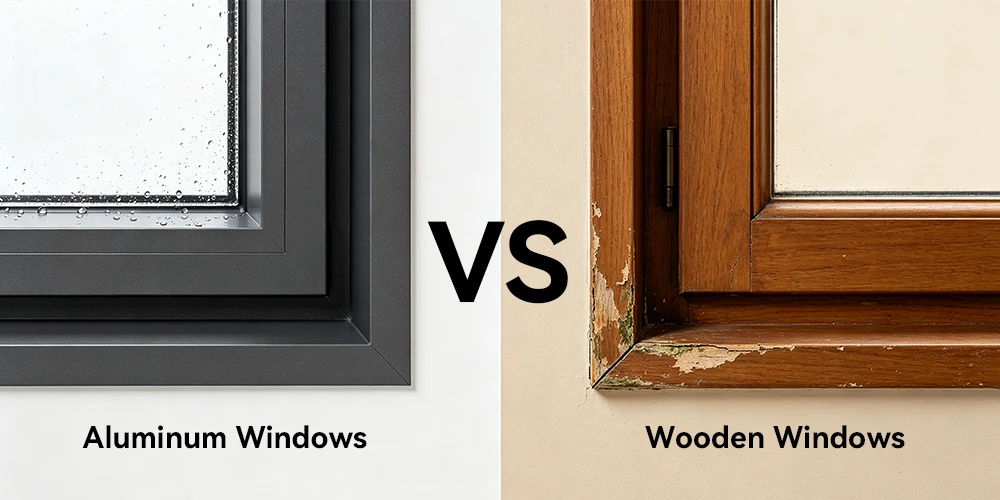
Unlike traditional materials, aluminium does not:

  • Warp under high temperatures
  • Swell in humid environments
  • Crack due to moisture exposure
  • Degrade under UV radiation

This makes it suitable for:

  • Coastal regions in Florida and California
  • Tropical climates in Central America
  • High UV exposure areas in Mexico and the Caribbean

Over the long term, aluminium window systems help reduce replacement frequency and lifecycle maintenance costs compared to timber-based systems.

2. Superior Corrosion Resistance for Coastal and Humid Climates

One of the key advantages of aluminium is its natural oxide layer, which provides strong resistance against corrosion.
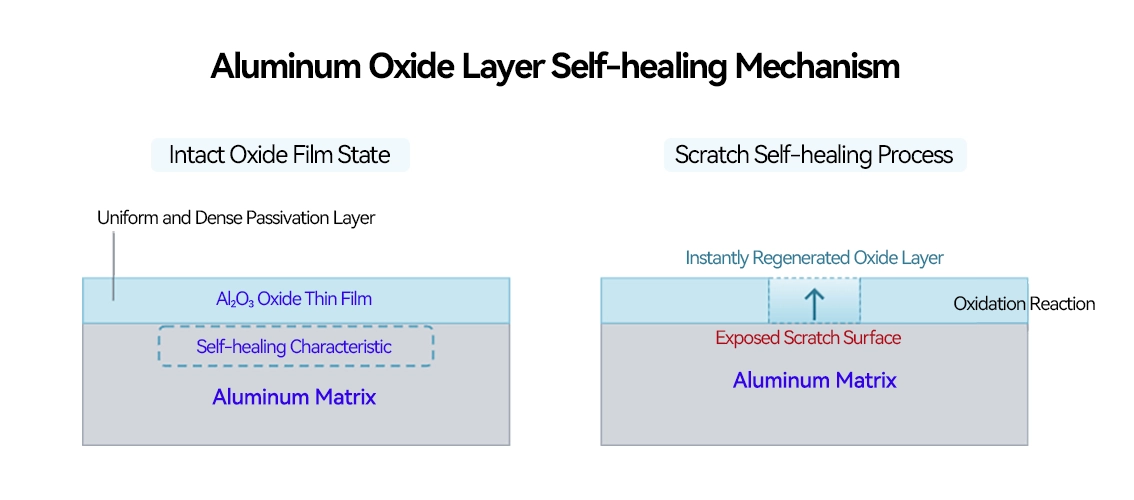
This makes aluminium highly suitable for:

  • Coastal residential buildings
  • High-rise apartments near the ocean
  • Tropical and humid environments

Compared to untreated steel systems, aluminium significantly reduces surface degradation and long-term maintenance requirements in salt-air environments.

3. Lightweight Structure with High Strength Efficiency

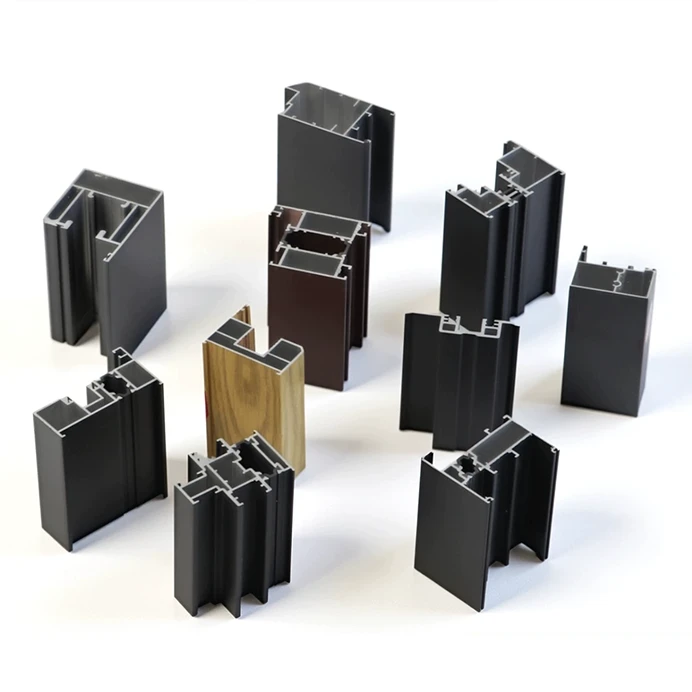
Aluminium is approximately 65% lighter than steel, while still maintaining excellent structural rigidity.
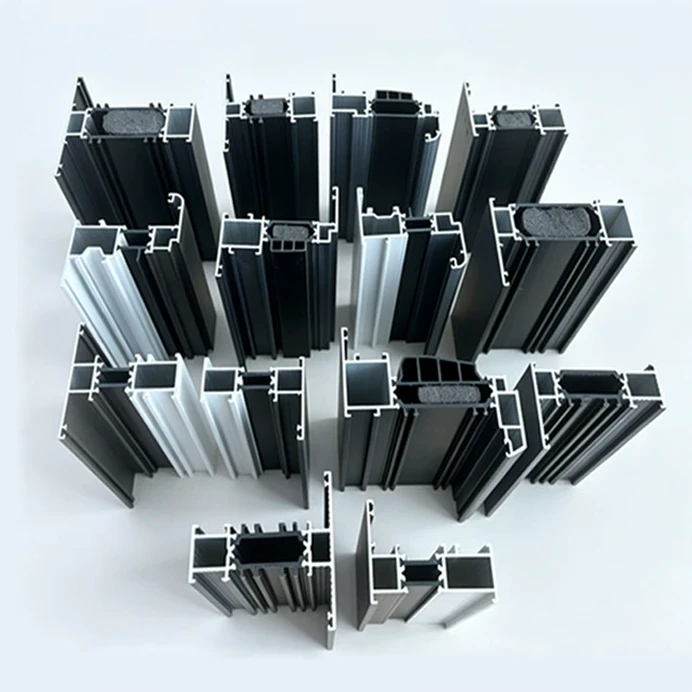
This enables:

  • Larger glass panels and façade systems
  • Slim-frame modern window designs
  • Reduced building load requirements
  • Easier transportation and installation

Modern aluminium systems can support double glazing and insulated glass units (IGU) with thickness ranges typically from 6mm to 28mm.

This makes aluminium ideal for:

  • Floor-to-ceiling windows
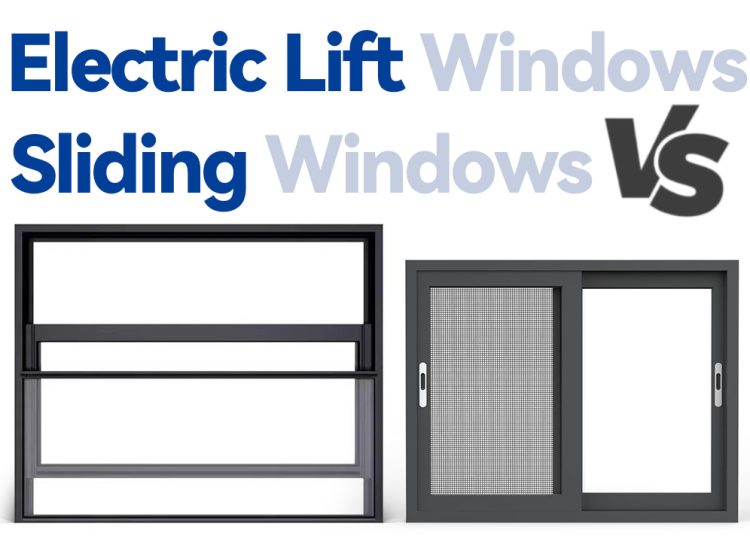
  • Sliding glass door systems
  • Commercial storefront façades

4. Modern Architectural Design Flexibility

Aluminium window systems are widely used in contemporary architecture due to their design versatility.

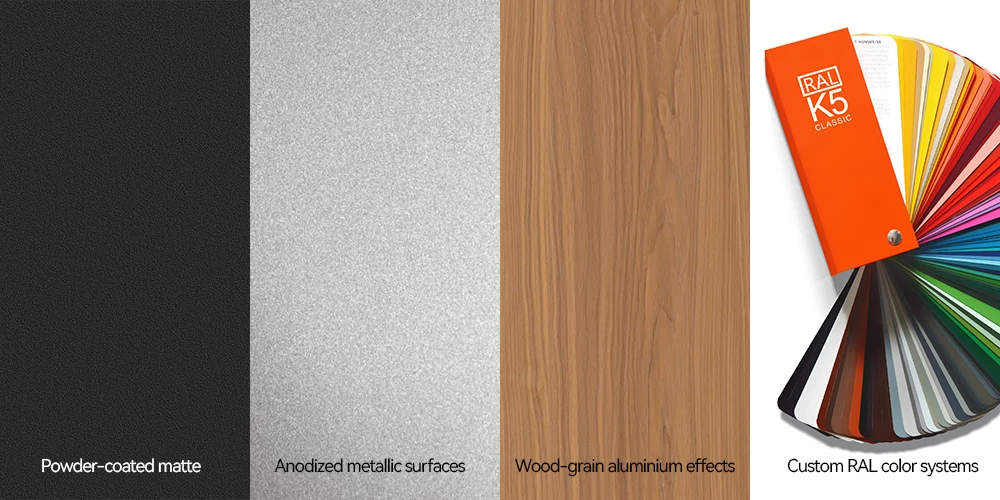
Available finishes include:

  • Powder-coated matte or gloss finishes
  • Anodized metallic surfaces
  • Wood-grain aluminium effects
  • Custom RAL color systems

Slim aluminium frames can increase visible glass area by 25–35%, improving daylight penetration and visual openness in modern buildings.

This aligns with current architectural trends in the US and Latin America, where minimal frame design and large glass openings are increasingly preferred.

5. Energy Efficiency with Thermal Break Technology

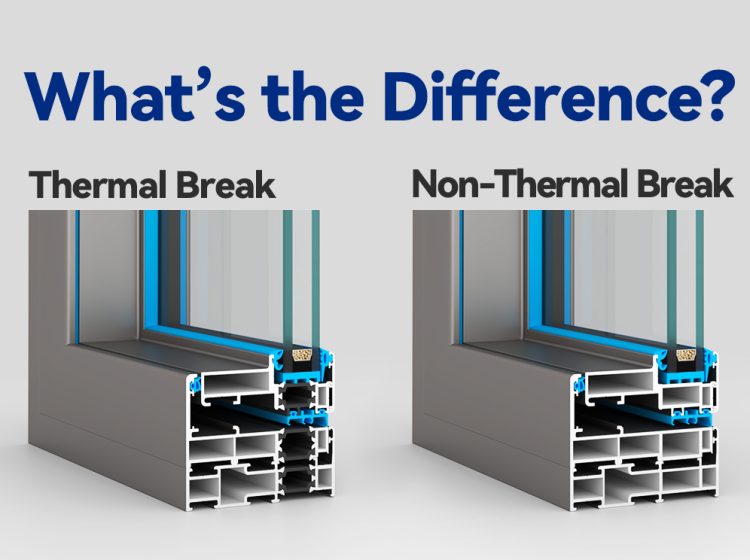
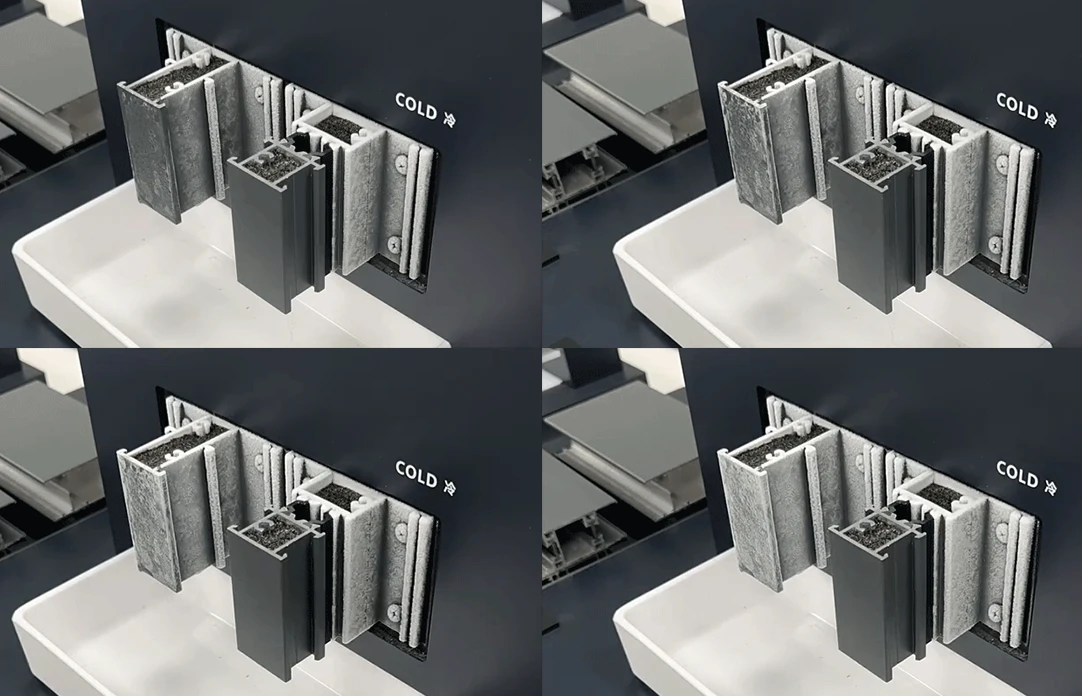
Modern aluminium window systems commonly use thermal break technology, which significantly improves insulation performance.

When combined with double glazing or Low-E insulated glass units (IGU), thermal break aluminium frames can reduce heat transfer by 40–60% depending on system configuration.
Key benefits include:

  • Reduced cooling demand in hot climates
  • Improved insulation in colder regions
  • Lower energy consumption in commercial buildings
  • Enhanced indoor comfort throughout the year

This is especially important in regions such as Texas, California, and Mexico, where high temperatures place heavy demand on HVAC systems.

6. Low Maintenance Requirements and Long-Term Cost Efficiency

Aluminium windows require minimal maintenance compared to wood or steel systems.

Typical maintenance includes:

  • Basic cleaning every 6 months
  • Annual hardware inspection

Unlike wood systems, aluminium does not require:

  • Repainting cycles
  • Anti-rot treatment
  • Pest protection

Over a 20-year lifecycle, maintenance costs can be significantly lower, making aluminium a cost-effective solution for both residential and commercial projects.

7. Structural Strength and Security Performance

Aluminium window systems are designed to support advanced security and structural reinforcement features, including:

  • Multi-point locking systems
  • Reinforced corner joints
  • Laminated or tempered safety glass compatibility
  • Anti-pry frame design

When combined with impact-resistant glass, aluminium systems can provide enhanced protection against:

  • Forced entry
  • Severe weather conditions
  • Hurricane-prone environments

This makes aluminium highly suitable for residential, commercial, and coastal developments in the US and Latin America.

8. Sustainability and Environmental Advantages

Aluminium is a fully recyclable material and plays an important role in sustainable construction.

Key environmental benefits include:

  • 100% recyclability without performance loss
  • Recycling requires up to 95% less energy than primary production
  • Suitable for green building certifications

This makes aluminium a preferred choice for sustainable development projects across global construction markets.

9. Aluminium vs uPVC vs Wood Windows

MaterialDurabilityMaintenanceStrengthDesign Flexibility
Aluminium20–40 yearsLowHighExcellent
uPVC15–25 yearsMediumMediumLimited
Wood10–20 yearsHighMediumTraditional

Conclusion

Aluminium window systems have become one of the most reliable and widely used solutions in modern construction across the United States and Latin America.

With advantages including long service life, corrosion resistance, thermal performance, low maintenance, and modern design flexibility, aluminium provides a strong balance of performance and cost efficiency.

For architects, developers, and homeowners, aluminium windows offer a future-ready solution that aligns with modern architectural trends and long-term building performance requirements.

Get Expert Advice for Your Window Project

Whether you’re building a new home, renovating a villa, or working on a commercial development, we can help you find the ideal aluminum window system.

Submit your project details below and receive professional recommendations, design suggestions, and a customized quotation.

Phone

+86 13077411547

WhatsApp

+86 13077411547

E-mail

info@buildpano.com

Address

Rm 721 Blg 3, No.30 Fenjiang North Rd, Chancheng District, Foshan, China

Socials

Frequently Asked Questions

Compared with uPVC windows, aluminium windows generally provide higher structural strength, slimmer frame designs, larger glass areas, and better durability for demanding environments.

Aluminium window systems can support different glass options, including single glass, double glazing, laminated glass, tempered glass, Low-E glass, and insulated glass units (IGU).

Yes. Aluminium windows provide long-term value through durability, low maintenance requirements, energy efficiency, and modern appearance, making them a reliable choice for residential and commercial projects.

A thermal break is an insulating material placed between the inside and outside aluminium profiles. It reduces heat transfer and improves the window’s thermal performance.

Yes. Aluminium has high strength-to-weight performance, allowing architects to design large glass areas, floor-to-ceiling windows, and modern sliding door systems with slim frames.