Pivot doors have become one of the most defining features of modern luxury homes. But if you speak with people who actually build doors—not just designers—they’ll tell you this:
A pivot door isn’t “a big door.” It’s a structural system.
A well-designed pivot door must balance three things:
structural stability + hardware engineering + weather sealing.
If any of these parts are compromised, even the most beautiful door will eventually sag, leak, or become difficult to open.
As someone who has worked with architects, contractors, and builders for many years, I can say confidently:
A pivot door is not a product; it’s a piece of engineering.
If you’re planning one for a new build or renovation, this guide will help you understand what really matters—and how to avoid the most common problems.
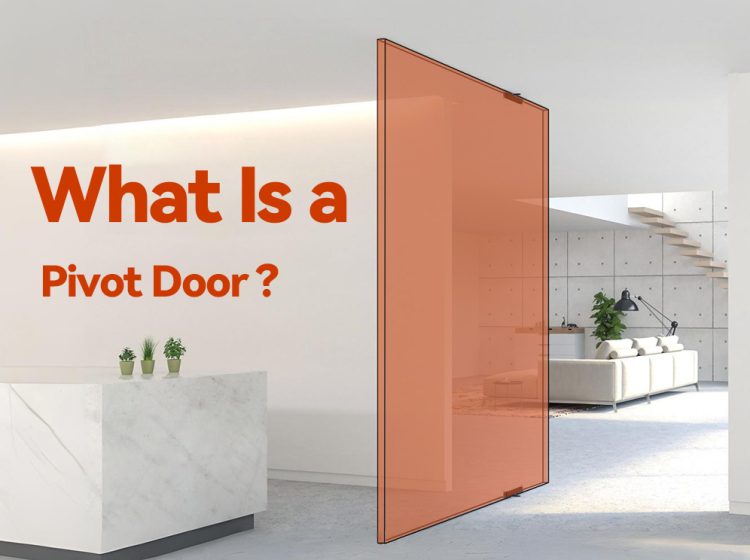
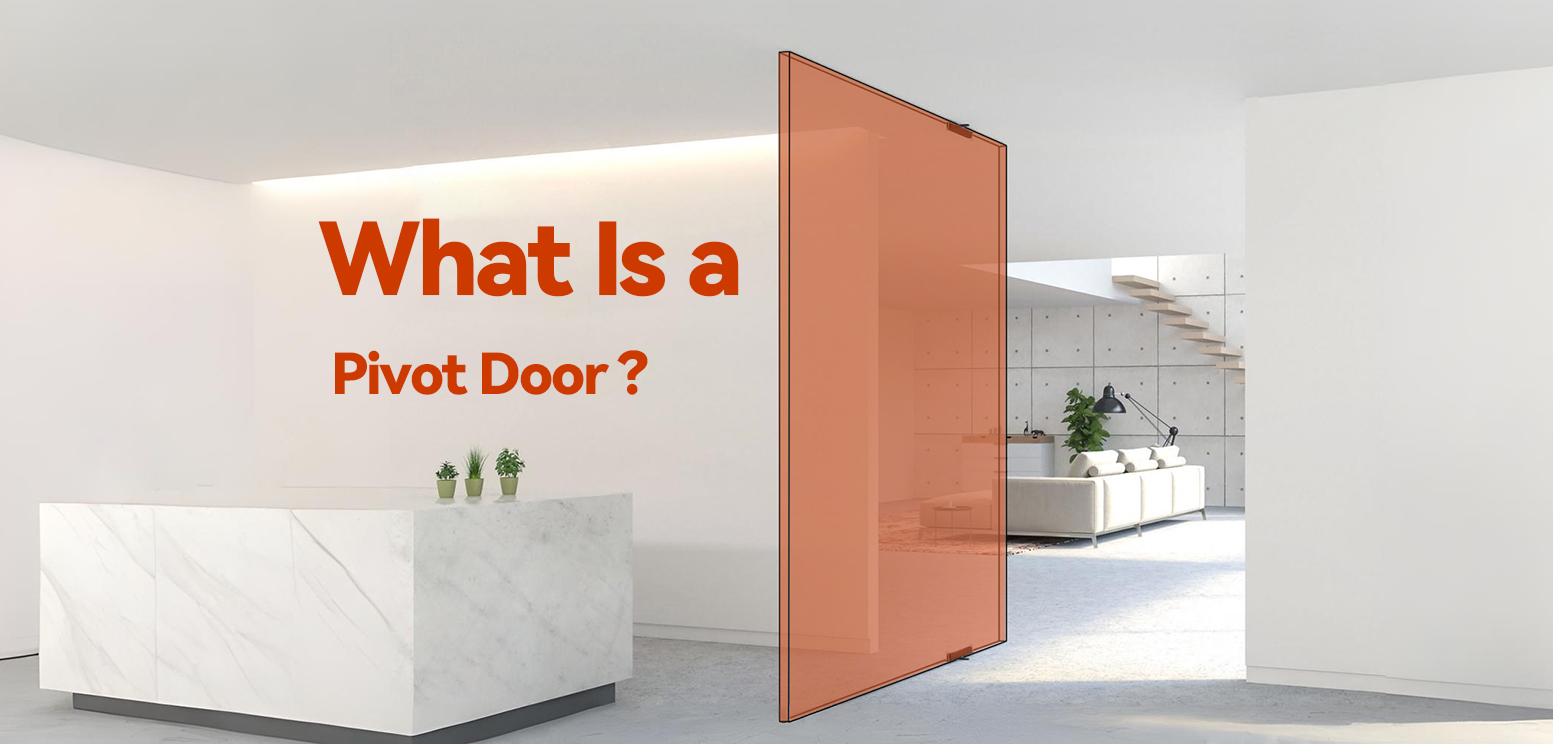
1. What Exactly Is a Pivot Door? (It’s Not Just a “Large Door”)
Homeowners often see a pivot door for the first time and say, “Isn’t this just a big front door?”
Not necessarily.
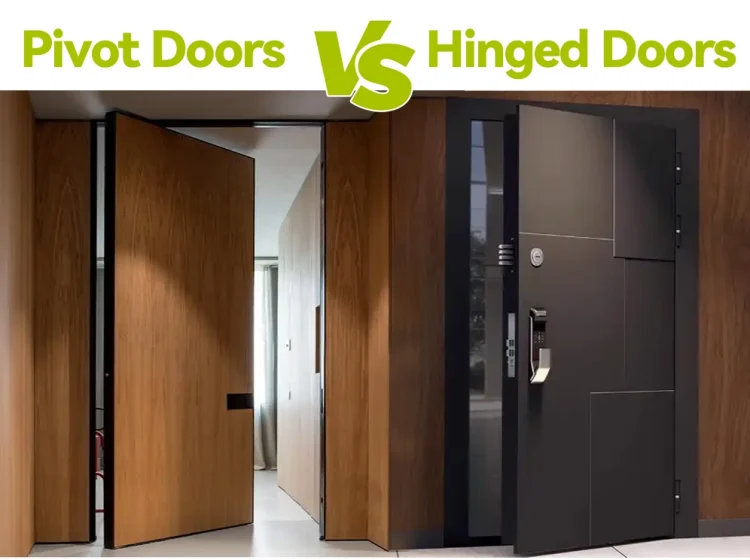
A traditional hinged door carries all its weight on side hinges.
Once the panel gets too tall or too heavy, hinges begin to deform.
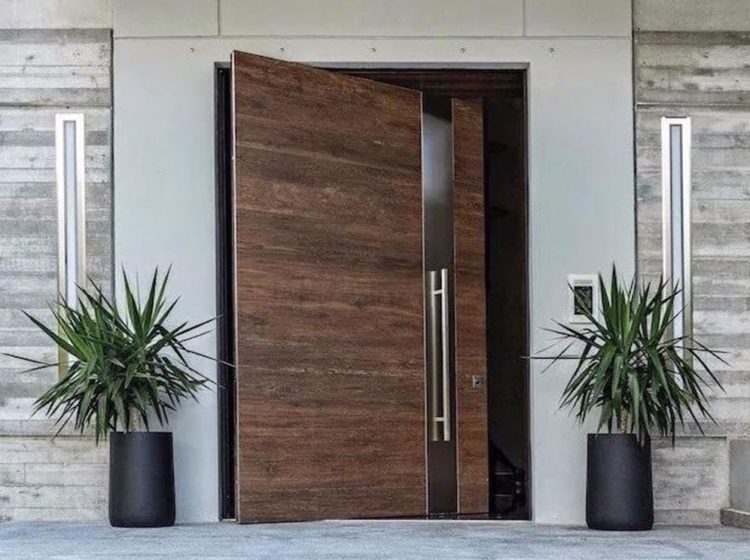
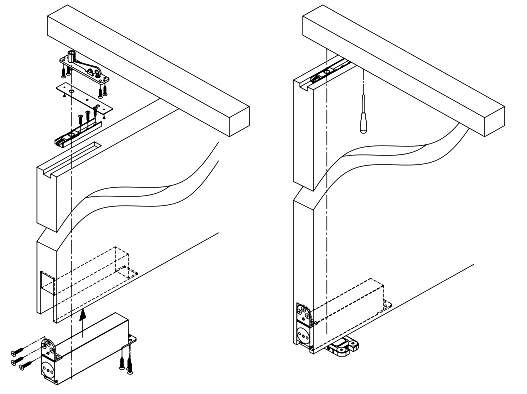
A pivot door transfers the weight vertically through a top pivot and a bottom pivot, usually positioned 100–300 mm from the door edge.
This creates a stable central axis that easily handles oversized panels.
Industry-realistic specs:
- Pivot offset: 100–300 mm
- Typical width: 1.2–1.8 m
- Luxury homes: 2.7–3.5 m height
- Weight range: 120–250 kg depending on materials
Why people love it:
- Ultra-clean façade (no visible hinges)
- Dramatic, floating opening movement
- Works beautifully with modern architecture
- Supports much larger sizes than traditional doors
If you love minimalist, contemporary façades, a pivot entrance is often the only door that achieves that look.
2. Why Pivot Doors Are Dominating Luxury Architecture

1). Architectural Presence
Ask any architect why they specify pivot doors:
Proportion + impact.
A tall, wide, flush-lined door changes the entire front elevation.
When it opens, the rotational movement feels sculptural—almost cinematic.
Many architects describe pivot doors as “an architectural statement” rather than a functional element.
2). The Opening Experience
This is something only industry people talk about.
A well-balanced pivot system uses:
- stainless steel bearings
- reinforced bottom plates
- vertical load transfer
When engineered correctly, a 300 kg door feels effortless to open.
Clients consistently say:
“Why does it feel so light?”
A smooth pivot motion is one of the truest indicators of hardware quality.
3. Total Design Freedom
Pivot doors aren’t limited by hinge geometry, so designers can use:
- full-height glass panels
- ultra-narrow aluminum frames
- oversized pull handles
- concealed handles
- flush-mounted doors aligned with the façade
- premium finishes like wood texture, fluorocarbon, or anodized tones
It’s the door type with the most design flexibility—period.
👉Click To View Our Revolving Door Qptions And Learn About Each Configuration.
3. The Problems Most Pivot Doors Face (and How to Avoid Them)
Here’s the truth people don’t like to talk about:
Most pivot door failures come from poor engineering,
Below are the real issues we see in the field.
1). Door Sagging
The most common—and most expensive—issue.
Sagging causes:
- uneven gaps
- scraping at the threshold
- misaligned locks
- difficulty closing
Root causes:
- thin aluminum (1.2–1.6 mm) used for an exterior door
- pivot hardware installed without steel reinforcement
- heavy glass with no internal stiffeners
- oversized panels beyond the hardware rating
Professional solution:
- use at least 2.0mm thick aluminum for exterior systems
- reinforce the stile with internal aluminum or steel bars
- choose pivot hardware with certified load ratings (150–250 kg)
ensure the bottom pivot sits on a solid structural base, not just tile or screed
2). Air & Water Leakage
Pivot doors have bigger tolerances, so sealing must be engineered—not improvised.
A high-performance system should have:
- EPDM Seals
- A threshold with drainage
- Wind-stop brushed
- Corner angle bonding ensures strong structural joints
For coastal climates like Singapore, Australia, and New Zealand, these measures aren’t “upgrades”—they’re essential protections against wind-driven rain and long-term durability issues.
3. Long-Term Operation Problems
A cheap pivot system often feels fine for the first year, then starts getting tight, noisy, or uneven.
Why?
- low-grade bearings
- no micro-adjustment capability
- insufficient structural strength in the frame or door
- poor alignment of the pivot axis
Look for:
- 304/316 stainless steel pivot bearings
- multi-direction adjustment (up/down/left/right/forward/back)
- reinforced bottom pivot base
- hardware with long-term performance testing
4. Which Materials Work Best for Pivot Doors?
1. Aluminum (Most Practical for Exterior Use)
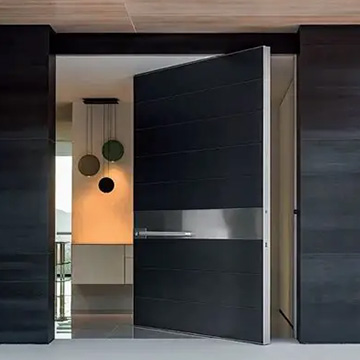
In modern homes and coastal regions, aluminum wins for several reasons:
- corrosion resistance
- high strength-to-weight ratio
- compatible with modern minimalist styles
- finish options are nearly unlimited
In Singapore, Australia, and tropical climates, aluminum is the industry standard for pivot doors.
2. All-Glass Pivot Doors
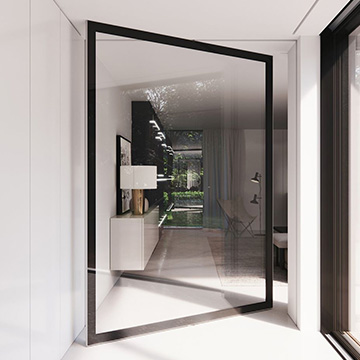
They look stunning on contemporary façades.
But they require:
- laminated safety glass
- strong pivot hardware
careful balancing during installation
3. Aluminum + Glass Hybrids
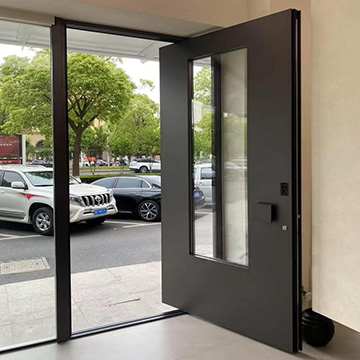
The most popular combination for high-end houses.
You get natural light, security, and modern lines—without the structural challenges of full glass.
5. How to Choose the Right Pivot Door
Choosing the right pivot door really comes down to five things:
whether the hardware can handle the size you want,
using the right aluminum thickness,
picking the proper glass,
making sure it performs well in your climate,
and—most importantly—the quality of the hardware.
Get these five points right, and your pivot door will stay smooth, stable, and weather-tight for years. If you want a deeper breakdown of sizes, pricing, and real project examples, check out our guide: Modern Aluminum Pivot Doors: Sizes, Prices & Design Guide for Luxury Homes.
6. Who Should Choose a Pivot Door?
Pivot doors are ideal for:
- luxury villas
- modern entryways
- architectural projects
- showrooms and galleries
- homeowners who want a bold, sculptural entrance
If your client wants a clean façade, oversized proportions, and a high-end first impression, a pivot door is the right answer.
Looking for custom aluminum doors and windows for your home or project? Contact our factory for a free design consultation today!
More Articles
You can learn Door & Window Knowledge, Shopping Guide and Inspiration & Solutions in our articles