When choosing glass for modern windows and doors, you may see specifications like 5mm + 12A + 5mm or 6mm + 15A + 6mm. These numbers can look confusing at first, especially for homeowners or builders who are not familiar with glass configurations.
One of the most common questions is: What does the “A” mean in glass specifications?
Understanding these numbers is important because the glass configuration directly affects thermal insulation, sound reduction, and overall performance of modern doors and windows.
In this guide, we will explain what “A” means in double glazed glass, how insulated glass works, and how to choose the right configuration for different window and door systems.
1.What Does “A” Mean in Glass Configuration?
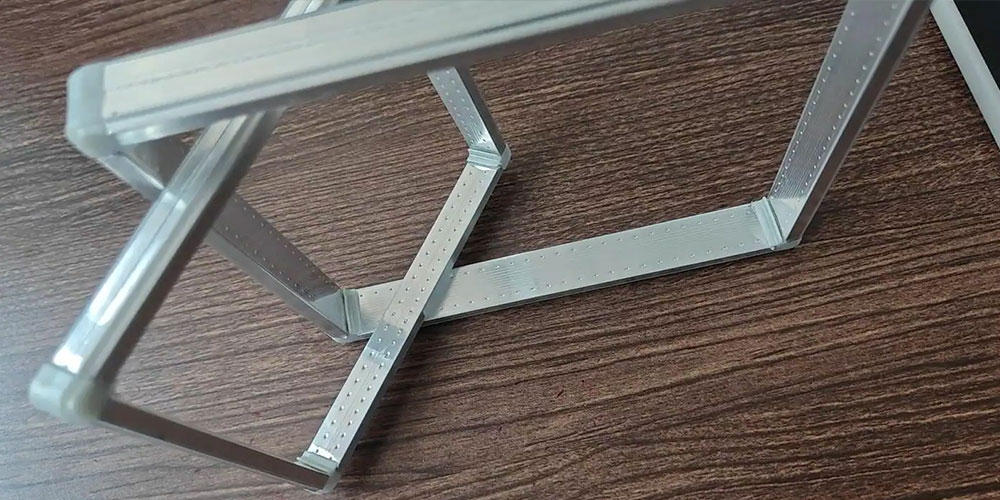
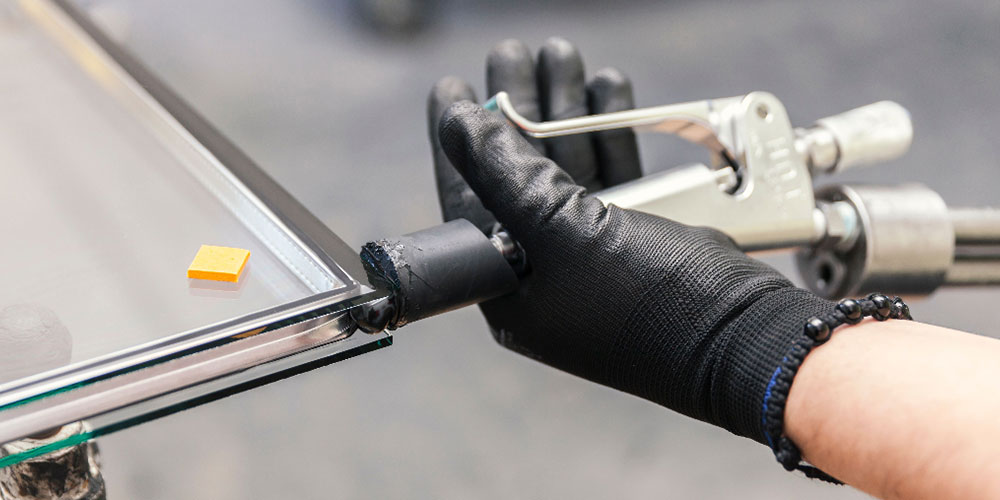
The air gap inside insulated glass plays a crucial role in improving the performance of windows and doors.
Thermal Insulation
The air space between glass panels reduces heat transfer. This helps keep indoor spaces warmer in winter and cooler in summer, improving overall energy efficiency.
Sound Insulation
Double glazed glass with an air gap can reduce outside noise. This is particularly useful for homes located near busy streets or urban areas.
Condensation Reduction
The insulated cavity also helps reduce condensation on the interior glass surface, which improves comfort and prevents moisture-related issues.
2.Air vs Argon Gas in Double Glazing

While some insulated glass units use air between the glass layers, many modern systems use argon gas instead.
Argon is an inert gas with lower thermal conductivity than air, which means it can provide better insulation.
Advantages of argon-filled glass units include:
Improved thermal insulation
Better energy efficiency
Reduced heat transfer through the glass
In high-performance aluminum door and window systems, the cavity can be filled with argon gas and designed with larger spacing such as 20A or even 27A to achieve better insulation performance.
3.Typical Glass Configurations for Modern Doors and Windows
Different window and door systems often use different glass configurations depending on size, strength requirements, and insulation performance.
Casement Windows
Casement windows typically use 5mm + 12A + 5mm or 6mm + 12A + 6mm double glazed glass. These configurations offer a good balance between insulation and structural weight.
Sliding Windows
Sliding windows commonly use 5mm + 12A + 5mm insulated glass units. This configuration provides good thermal performance while keeping the panels lightweight for smooth sliding operation.
Sliding Doors
Sliding doors often feature larger glass panels, so stronger configurations such as 6mm + 15A + 6mm are commonly used to improve stability and durability.
Folding Doors
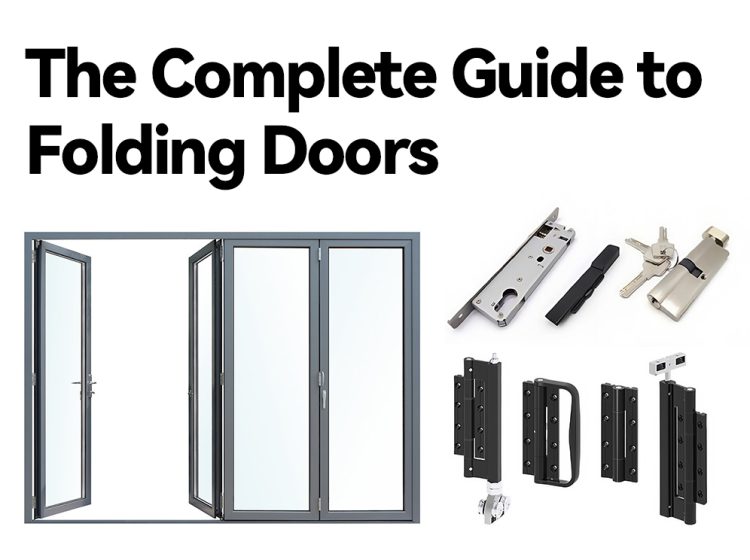
Folding door systems typically use tempered double glazing to ensure both safety and insulation while maintaining smooth panel movement.
4.How to Choose the Right Glass Configuration
Choosing the right glass configuration depends on several factors.
Door or Window Size
Larger openings usually require thicker glass or laminated configurations to ensure safety and structural strength.
Climate Conditions
In colder climates or areas with high temperature differences, larger air gaps and argon-filled glass units can significantly improve insulation performance.
Sound Insulation Requirements
Homes located near traffic or commercial areas may benefit from thicker or laminated insulated glass.
Safety Requirements
Tempered glass and laminated glass are commonly used for safety in modern windows and doors. If you want to learn more about choosing safe glass, you can also read our guide:
5.Final Thoughts
Glass specifications such as 5mm + 12A + 5mm may seem technical at first, but they simply describe the thickness of each glass panel and the air gap between them.
The air gap plays a crucial role in improving thermal insulation, sound reduction, and energy efficiency in modern windows and doors.
Understanding these configurations can help homeowners, architects, and builders choose the right glass for different applications such as casement windows, sliding windows, sliding doors, and folding doors.
With the right insulated glass system, modern aluminum windows and doors can deliver excellent comfort, durability, and energy performance.
Get a whole house door and window solution
Submit your project details below — our team will respond within 24 hours.
F.A.Q.
Is laminated glass used with double glazing?
How long does insulated glass last?
What glass is safest for windows and doors?
The air gap helps reduce heat transfer, improves sound insulation, and prevents condensation between the glass panels.
Double glazing uses two glass panels with one air gap, while triple glazing uses three glass panels with two air gaps for improved insulation.
More Articles
You can learn Door & Window Knowledge, Shopping Guide and Inspiration & Solutions in our articles