Overview – Two Window Systems, Different Purposes
A Practical Comparison Based on Use Cases
Electric lift windows and sliding windows are both widely used in modern residential projects. Each system is designed to solve different architectural and functional needs rather than competing as direct replacements.
Understanding how they operate, where they perform best, and what limitations they may have helps homeowners, architects, and builders make an informed choice based on real project requirements.
What Are Electric Lift Windows?
Electric lift windows, also referred to as motorized vertical windows, use a concealed drive system to move the sash vertically. This design allows controlled opening without requiring inward or outward swing space.
These systems are typically selected for projects where:
Openings are large or positioned above countertops
Smooth, assisted operation is preferred
A clean, minimal appearance is important
The window also functions as an indoor–outdoor connection
Electric lift windows are commonly used in villas, modern kitchens, poolside areas, and hospitality spaces, where architectural impact and usability are both important considerations.
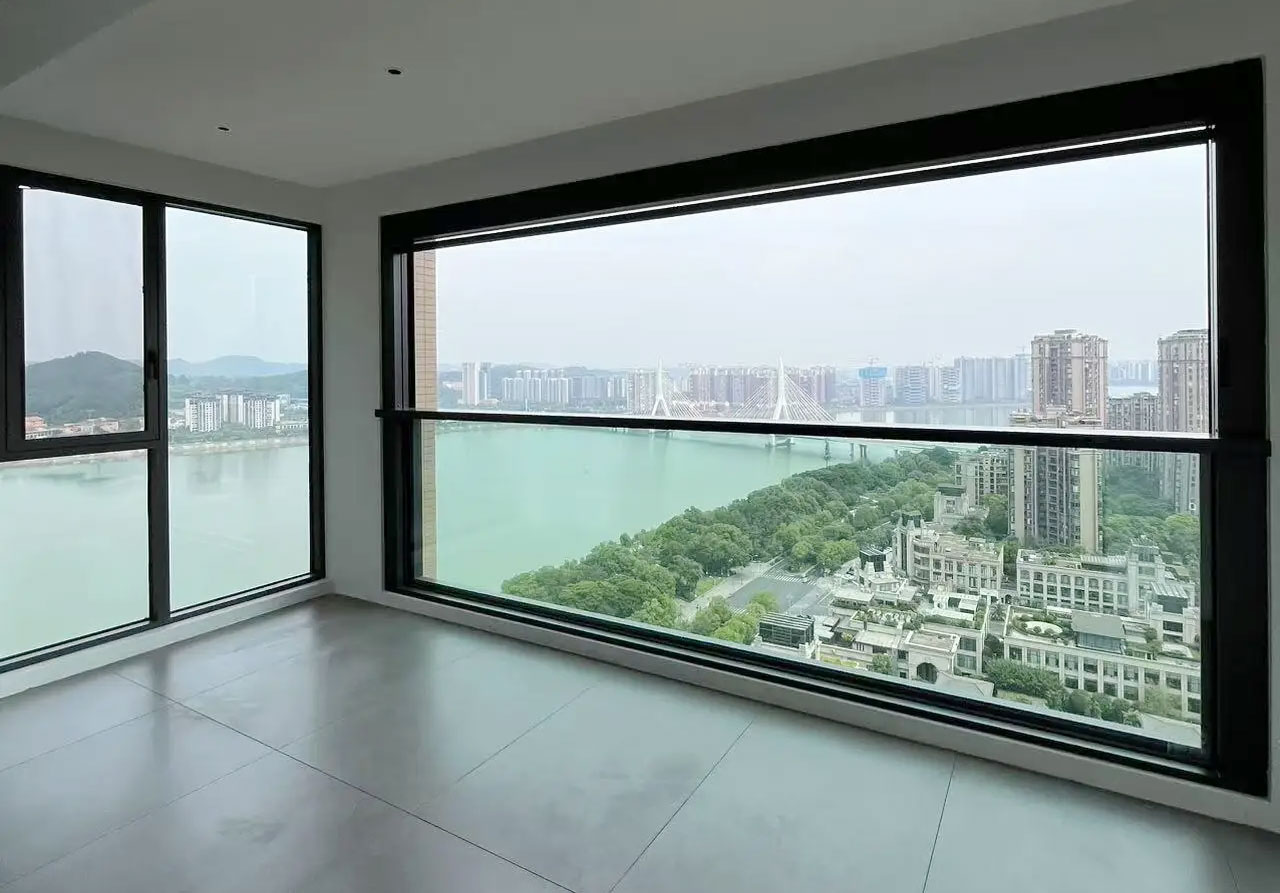
👉 For detailed specifications, customization options, and real project applications, you can explore our Electric Lift Window product page.
What Are Sliding Windows?
Sliding windows operate by moving one or more panels horizontally along a track. This system has been widely adopted in residential construction due to its simplicity and practicality.
Sliding windows are commonly chosen for:
Standard residential rooms such as bedrooms or living areas
Apartments with limited space
Projects where manual operation is sufficient
Situations requiring straightforward installation and maintenance
Their long-standing popularity reflects their reliability and suitability for everyday residential use.

👉 To understand available configurations and typical residential applications, view our aluminum sliding window
Key Differences at a Glance
| Aspect | Electric Lift Windows | Sliding Windows |
|---|---|---|
| Operation | Vertical, motor-assisted | Horizontal, manual |
| Opening Behavior | Typically opens about half the width | Typically opens about half the width |
| Space Requirement | No swing clearance needed | Requires side track space |
| Typical Glass Size | Suitable for larger or heavier panels | Best for standard-sized panels |
| Control Options | Switch, remote, smart system (optional) | Manual operation |
| Visual Style | Minimalist, concealed system | Clean, familiar appearance |
| Common Applications | Villas, balcony, terrace | Apartments, bedrooms, general residential |

Choosing Based on Project Needs
When Electric Lift Windows Are a Good Fit
Electric lift windows are often selected when a project requires:
Assisted operation for large or high openings
A window that doubles as a serving or pass-through opening
Controlled ventilation without swing interference
Integration with smart home or automation systems
They are especially suitable for custom homes and spaces where windows are part of the architectural feature.
When Sliding Windows Make More Sense
Sliding windows remain a practical solution when:
Openings are moderate in size
Budget and simplicity are priorities
Manual operation meets daily needs
The project involves standard residential layouts
For many homes and apartments, sliding windows provide a balanced combination of function, cost efficiency, and ease of use.
Installation & Long-Term Considerations
Electric lift windows require proper structural planning and electrical preparation to ensure smooth operation over time. Professional installation and system calibration are recommended.
Sliding windows are generally easier to install and maintain, requiring minimal technical preparation and no electrical components.
Both systems, when properly specified and installed, can deliver long-term reliability.
Final Thoughts – Different Solutions for Different Scenarios
Rather than choosing one window type as “better,” the right decision depends on how the space will be used.
Electric lift windows offer enhanced convenience, controlled operation, and architectural impact for specific residential and hospitality applications.
Sliding windows provide a proven, practical solution for everyday residential needs.
Understanding these differences allows you to select the window system that best aligns with your design goals, functional requirements, and project budget.
For a deeper understanding of how electric lift windows are designed, how they operate, and what factors influence cost and applications, you can refer to our Electric Lift Window Guide – Design, Costs, and Commercial Applications Explained.
More Articles
You can learn Door & Window Knowledge, Shopping Guide and Inspiration & Solutions in our articles