
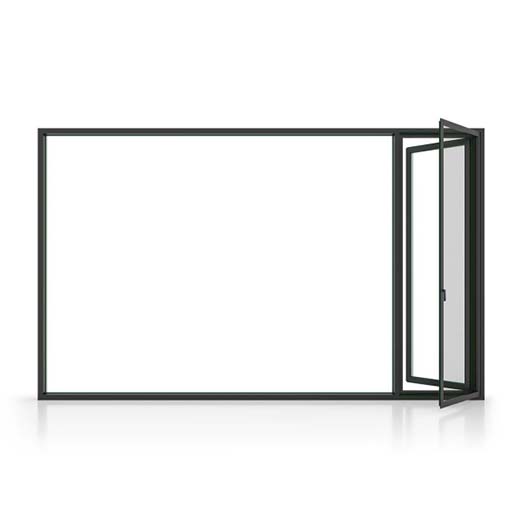
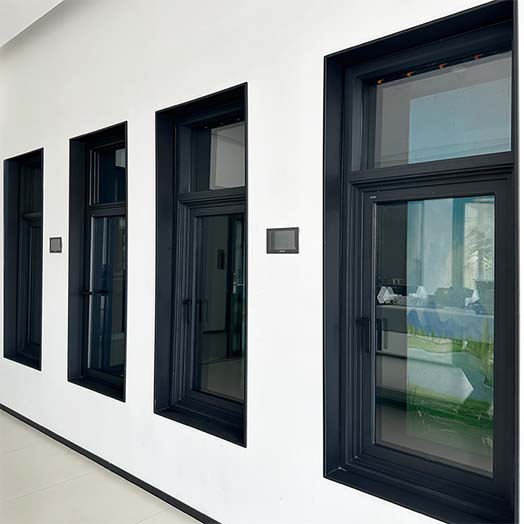
Casement Window
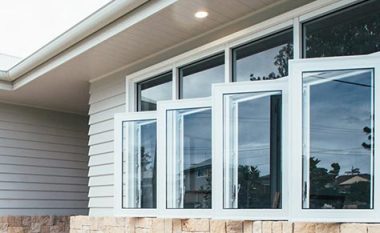
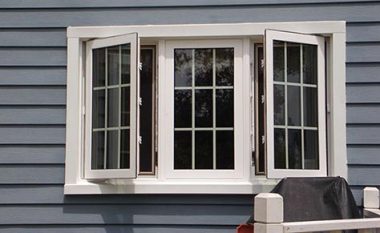
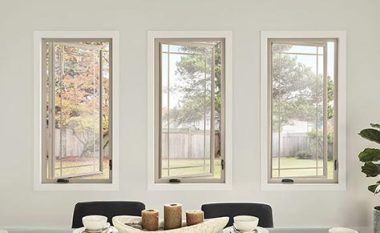
Casement windows are the most common style of window. They feature hinged panels that swing open and closed. Casement windows are available in single panels or multiple panels. The direction a door swings, either to the right or the left, is called the handing. In addition to handing, window are identified as either inswing or outswing depending on whether they open into the house or towards the outside.
Color Selection


Technical Specifications
Item | Specification |
|---|---|
| Product Type | Aluminum Casement Window |
| Aluminum Thickness | 1.8mm – 3.0mm |
| Opening Style | Outward / Inward / Tilt & Turn / Awning |
| Glass Type | Tempered / Double Glazing / Laminated / Low-E / Triple Glazing |
| Thermal System | Thermal Break / Non-Thermal Available |
| Surface Finish | Powder Coating / PVDF / Anodized |
| Color Options | Eight standard colors + custom colors |
| Sealing System | Multi-Layer EPDM Sealing |
| Security | Multi-Point Locking System |
| Custom Size | Available |
| Application | Villas / Apartments / Commercial Buildings / Residential |
DESIGN OPTIONS
Glass Selection
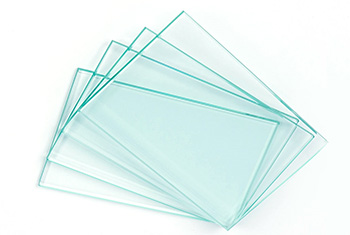
Low-e Glass
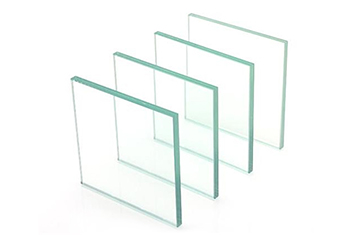
Ultra Clear Glass
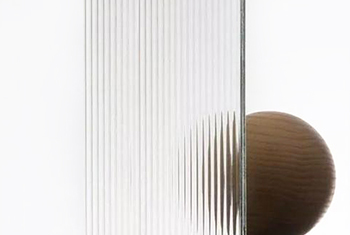
Art Glass
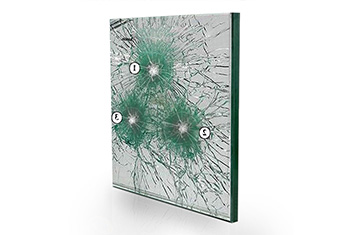
Bulletproof Glass
Multi-layer Glass Options
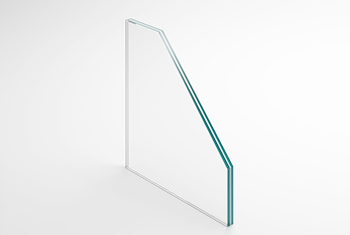
Laminated Glass
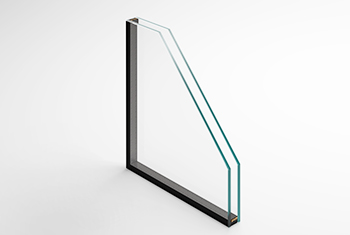
Insulating Glass
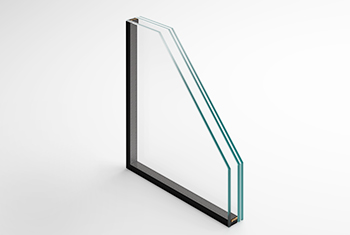
Laminated Insulating Glass
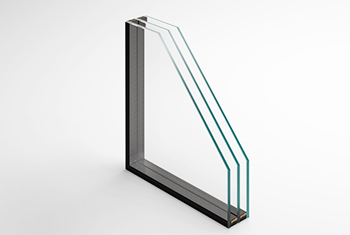
Triple Insulating Glass
Aluminium Finishes
Anodizing
Powder Coating
Fluorocarbon Coating
3D Wood Grain Transfer
Hardware Selection
HOPPE
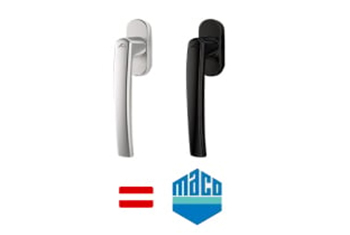
MACO
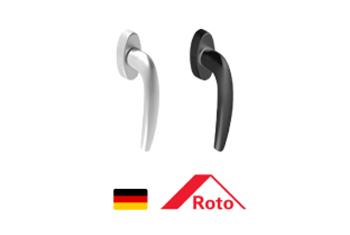
ROTO
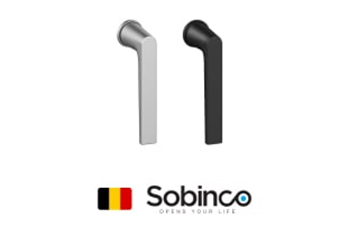
SOBINCO
What to Consider Before Buying Casement Windows
Choosing a casement window involves more than appearance. Ventilation, Sound insulation, insulation, durability, and hardware quality all affect long-term performance and daily comfort.
Aluminum Structure
High-quality casement windows commonly use 1.8mm–3.0mm aluminum profiles to provide better structural strength, stability, and long-term durability, especially for larger window sizes and demanding architectural applications.
Opening Direction
Casement windows may open inward or outward. Opening direction should be planned according to available space, ventilation requirements, and daily usage habits.
Glass Selection
Glass selection directly affects indoor comfort and overall window performance. Common options include tempered glass, double glazing, laminated glass, and Low-E glass, depending on sound insulation and thermal insulation requirements.
Hardware Quality
Hardware plays an important role in smooth operation and durability. Reliable brands such as ROTO, CMECH, HOPO, and Siegenia are commonly used in high-quality window systems.
Surface Finish
Surface finish affects both appearance and weather resistance. For long-term outdoor durability, 10-year weather-resistant finishes are generally recommended.
Installation and Technical Support
Professional installation is recommended to ensure proper sealing and long-term performance. We provide technical drawings and installation guidance to support project execution.
Photo Gallery
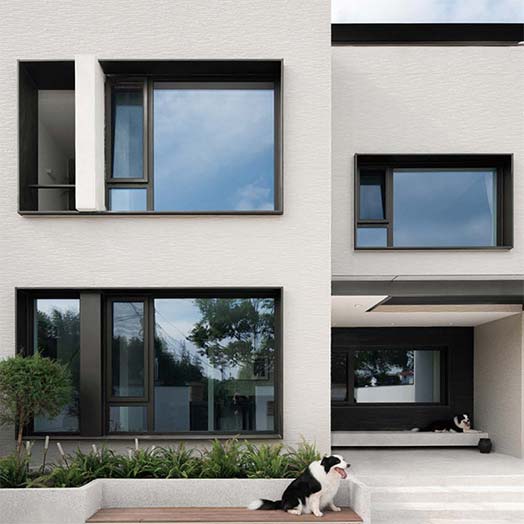
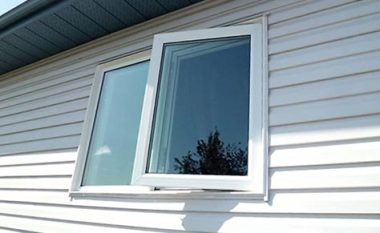
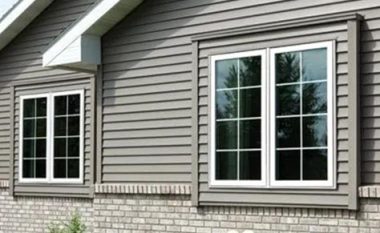
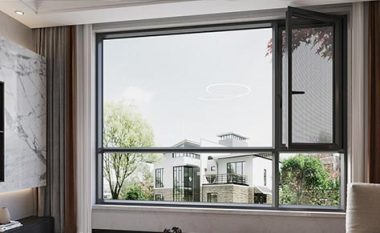
Real photo taken in the field
Planning a Casement Window Project?
Every project has different ventilation, insulation, and design requirements.
From opening direction and glass selection to custom sizing and outdoor performance, our team can help recommend a suitable casement window solution.
Fill out the form below and we’ll respond within 24 hours.
Casement Window — Frequently Asked Questions
A casement window is a side-hinged window that opens inward or outward for ventilation and easy operation.
It depends on ventilation needs, space conditions, and local building preferences.
Thermal break systems provide improved insulation and energy efficiency, while non-thermal systems are often selected for milder climates or budget-focused projects.
Yes. Screen options are available for many casement window systems.
Yes. They are widely used in residential and commercial projects.
It can typically last for more than ten years.